Compare Local Contractors for Residential Fire Restoration Services
Compare local contractors for residential fire restoration to define scope, verify experience, and establish clear expectations for a successful rebuild.
Residential fire restoration involves a comprehensive process to repair and recover a home after fire damage. This work typically includes cleaning and removing soot, smoke odor mitigation, structural repairs, and rebuilding affected areas. Contractors in this field often coordinate with insurance providers and other specialists to ensure the home is restored to a safe and livable condition. Understanding the scope of work involved can help property owners prepare for the necessary steps and ensure all damages are addressed thoroughly.
Defining the scope of fire restoration work is essential to avoid misunderstandings and ensure the project meets specific needs. A clear scope outlines the tasks to be completed, the areas involved, and the expected outcomes, which helps prevent scope creep and unexpected issues. When working with contractors, it’s important to ask for detailed descriptions of their services and to confirm that all aspects of fire damage, including hidden or structural issues, are included in the plan. Documenting these details in writing provides a reference point throughout the project and helps set realistic expectations.
Property owners can compare local contractors by evaluating their experience with fire restoration projects, checking references or reviews, and verifying their familiarity with local building codes and regulations. It’s beneficial to ask contractors about their process for assessing damage, their approach to cleanup, and how they handle unforeseen issues. Additionally, reviewing written proposals and scope descriptions can reveal the level of professionalism and attention to detail. Comparing these factors helps property owners select a service provider capable of managing the complexities of fire restoration effectively.
Compare local contractors by outlining priorities, verifying experience, and setting clear expectations in writing.
- Compare Contractor Experience - Review the backgrounds and project histories of local contractors to assess their expertise in fire restoration.
- Define Project Scope Clearly - Establish detailed descriptions of work to ensure all parties understand the restoration requirements.
- Verify Credentials and References - Check references and past work to confirm the reliability and quality of service providers.
- Document Expectations in Writing - Create written agreements outlining scope, responsibilities, and deliverables to set clear expectations.
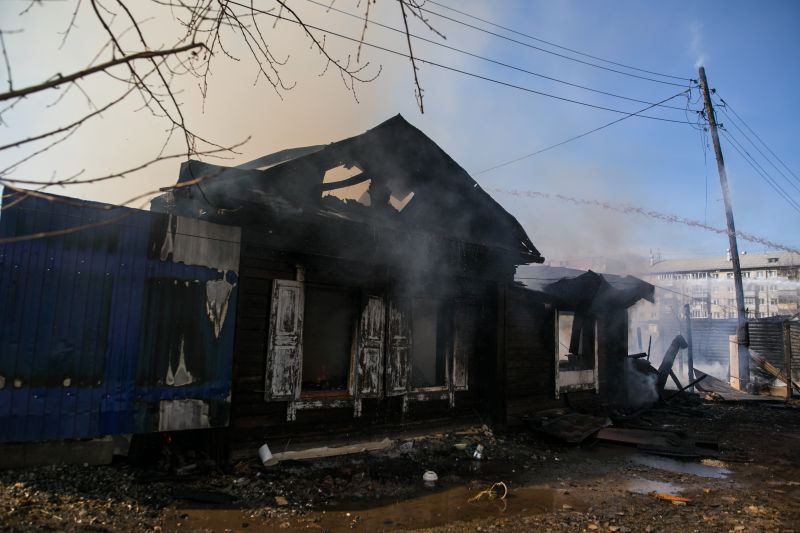
Clearly describe your fire restoration project to help compare local contractors, verify their experience, and set clear expectations in writing.
- Verify experience with residential fire damage restoration to ensure familiarity with common challenges and proper procedures. - Assess the scope of work and confirm it aligns with the specific needs of the fire-damaged property.
- Compare service providers based on their ability to clearly define project scope and deliverables in writing. - Ensure contractors provide detailed estimates and scope of work to set clear expectations.
- Check references or reviews to gauge the quality of previous fire restoration projects handled by the contractor. - Look for feedback on their reliability, workmanship, and ability to handle fire damage specifics.
- Confirm that service providers have experience working with insurance claims and documentation requirements. - Proper documentation can facilitate smoother claims processing and project approval.
- Discuss the process for handling hazardous materials and smoke damage to ensure comprehensive restoration. - Clarify how the contractor plans to address soot, odors, and hazardous residues safely and effectively.
- Ensure that all project details, including scope, materials, and responsibilities, are documented in a written agreement. - A detailed contract helps prevent misunderstandings and provides a reference throughout the restoration process.
Compare local contractors' experience and services to clearly define scope and set expectations in writing.
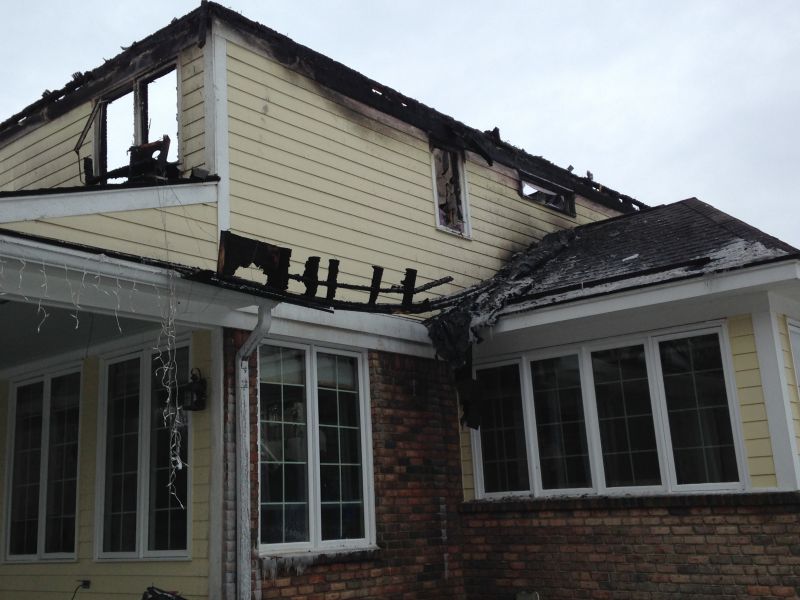
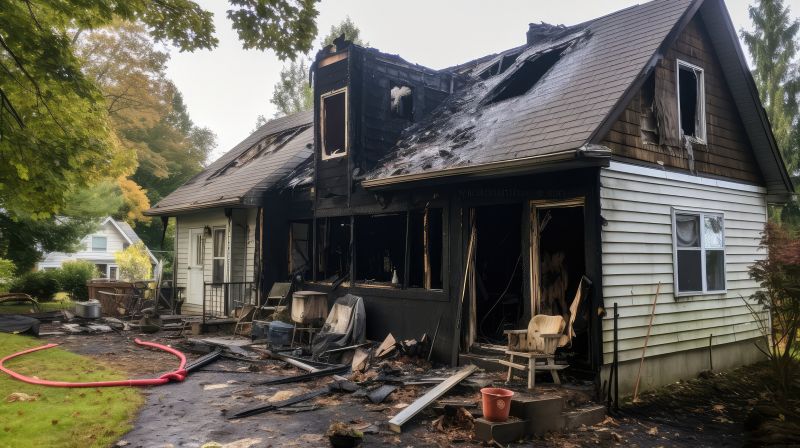
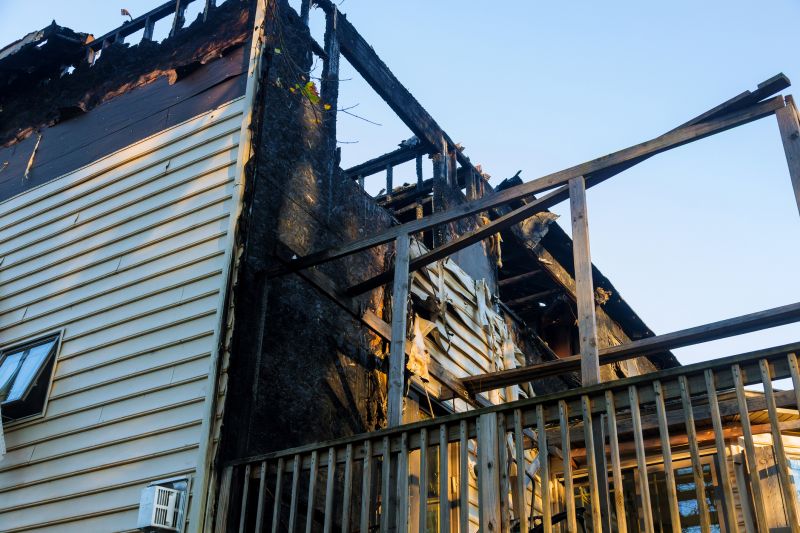
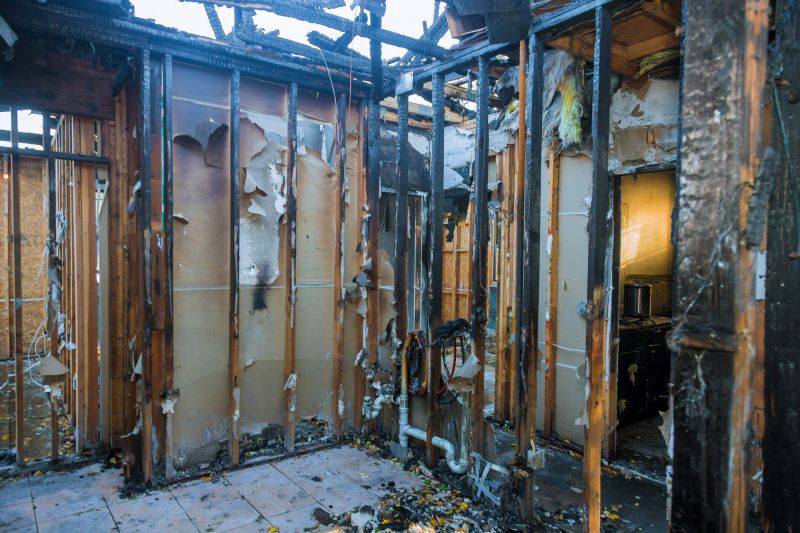
A clear scope builder helps compare residential fire restoration contractors by standardizing expectations and verifying experience.
- Scope Definition - clearly outline the specific fire damage restoration tasks required for the residential property.
- Experience Verification - confirm that local contractors have relevant experience in residential fire restoration projects.
- Material and Work Scope - specify the types of materials and extent of work needed to restore the home to pre-fire condition.
- Written Agreement - ensure all project details, including scope and responsibilities, are documented in a formal agreement.
- Comparison of Service Providers - evaluate multiple local contractors based on their scope understanding and ability to meet project requirements.
When evaluating contractors for residential fire restoration, it’s important to consider their experience with similar projects. Service providers with a history of handling fire damage repairs are more likely to understand the complexities involved, such as smoke cleanup, structural repairs, and odor removal. Asking about their previous work in fire restoration can help gauge their familiarity with the specific challenges that come with these types of projects, ensuring that the chosen contractor has relevant hands-on experience.
A clear, written scope of work is essential to establish mutual understanding and set expectations. A detailed scope outlines the specific tasks, materials, and services the contractor will provide, reducing the risk of misunderstandings or scope creep. When comparing options, look for service providers who can provide a comprehensive written plan, clarifying what is included and what is not. This transparency can serve as a foundation for a smooth restoration process and helps ensure that all parties are aligned from the outset.
Verification basics are crucial when selecting a fire restoration contractor. Confirm that the service providers have a proven track record in fire damage repair, which can often be demonstrated through references, portfolios, or case studies. It’s also helpful to verify their familiarity with local building codes and standards related to fire damage repairs. Ensuring that the contractor has the appropriate experience and knowledge reduces the likelihood of issues arising during or after the restoration process.
Evaluating options without focusing on prices involves assessing the quality and reliability of each service provider. Consider how thoroughly they define the scope of work, their level of experience with similar projects, and their communication clarity. Request written descriptions or proposals that outline the services offered, and compare how well each contractor understands the scope of fire restoration work. This approach helps identify professionals who are capable of delivering consistent, high-quality results, fostering confidence in the restoration process without the need to prioritize cost as the primary decision factor.
Ask contractors to provide written scope of work to ensure clear expectations and consistent project understanding.
- Scope of Work Clarification - What specific restoration services do each contractors’ proposals include?
- Experience Verification - How long have the contractors been handling residential fire restoration projects?
- Comparison of Service Offerings - What are the key differences in the scope and approach among local contractors?
- Written Scope and Expectations - Are the project scope and expectations clearly detailed in written agreements?
- Assessment of Capabilities - How do the contractors’ qualifications and resources align with the specific needs of the fire restoration?
How can I compare contractors for fire restoration? To compare contractors, review their experience with residential fire damage, verify references, and examine their scope of work to ensure it aligns with your needs.
What should I consider when defining the scope of fire restoration work? Clearly outline the areas affected, the extent of damage, and specific restoration tasks needed to ensure all parties understand the project requirements.
How do I verify a contractor’s experience in fire restoration? Ask for details about their previous projects, request references, and confirm their familiarity with the type of fire damage your property has sustained.
Why is it important to get the scope of work in writing? Having a detailed, written scope helps set clear expectations, prevents misunderstandings, and provides a record of agreed-upon tasks and responsibilities.
What questions should I ask potential contractors during the selection process? Inquire about their experience with similar projects, how they handle unexpected issues, and how they communicate project progress and changes.
How can I ensure the contractor understands my restoration needs? Provide detailed descriptions of the damage, ask for their input, and confirm that their proposed scope addresses all areas of concern before proceeding.
Contractors for residential fire restoration offer a range of services to help homeowners recover from fire damage. By comparing local contractors, you can learn how to clearly define the scope of work, verify their experience with similar projects, and establish written expectations to ensure everyone is aligned. Taking these steps can help you make informed decisions tailored to your specific needs.
Utilizing a quote form allows you to easily compare different service providers in your area. This process assists in identifying the right contractors to handle your fire restoration project, giving you a clearer understanding of options available. Connecting with qualified local contractors through this method can help you move forward with confidence.